
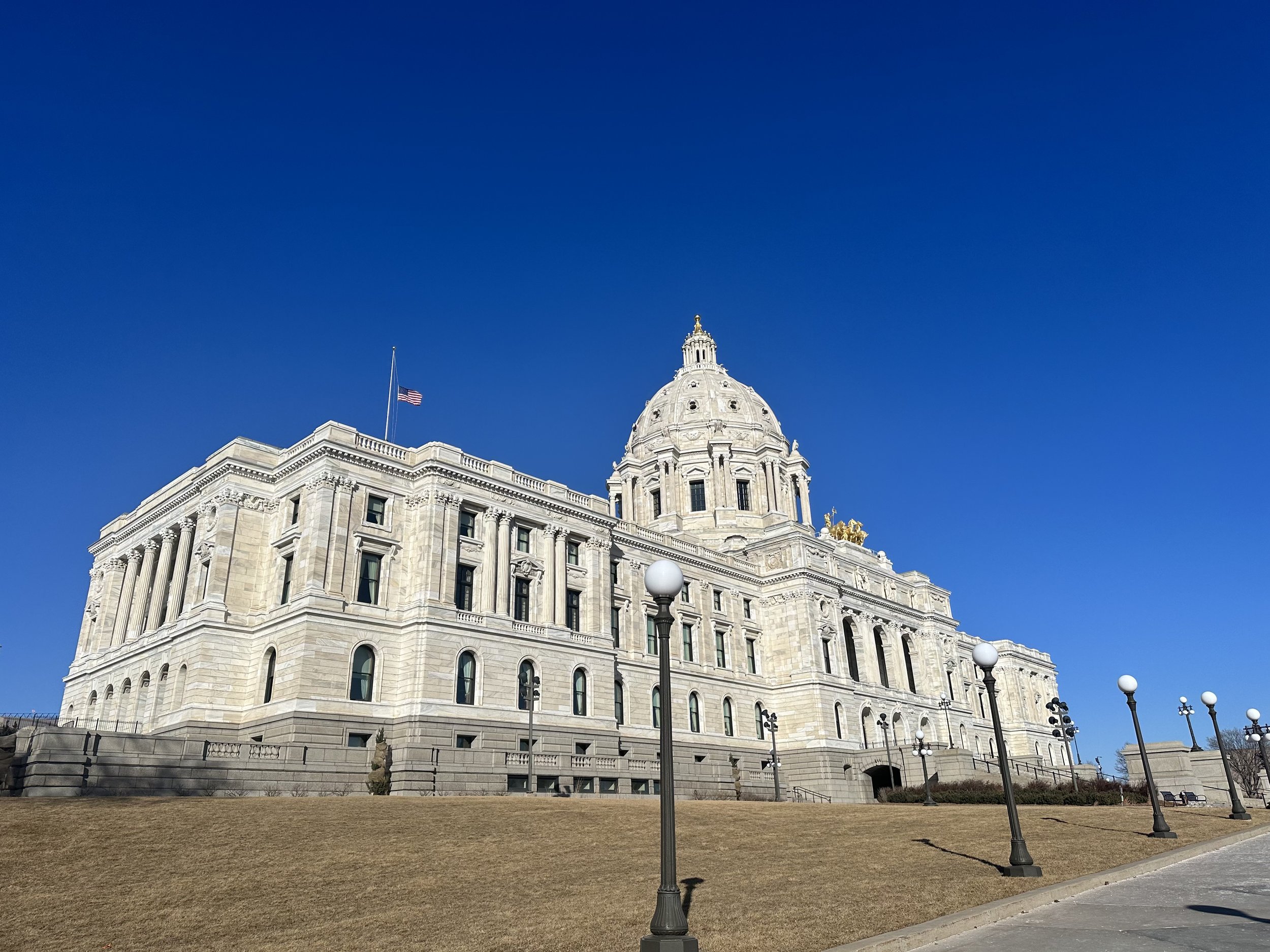
Support for Communities
Advocating for rural cancer patients is vital because it influences healthcare policies, funding, and regulations. It allows stakeholders to push for increased resources and support for rural cancer care initiatives. By building relationships with legislators, raising awareness, and collaborating with other stakeholders, advocates can drive positive change and improve access to quality cancer care for rural residents.
Policy Influence: State governments play a significant role in shaping healthcare policies, funding allocations, and regulations. By advocating at the state capitol, stakeholders can directly influence policies that impact rural cancer patients, such as funding for rural healthcare infrastructure, insurance coverage, and access to cancer screening and treatment programs.
Resource Allocation: State budgets determine the allocation of resources for healthcare services, including those specifically targeting rural communities. Advocating at the state level allows stakeholders to advocate for increased funding for rural cancer care initiatives, such as the expansion of telemedicine services, support for rural hospitals, and the recruitment of healthcare providers in underserved areas.
Legislative Support: Building relationships with state legislators and policymakers can garner support for legislative initiatives aimed at addressing the unique challenges faced by rural cancer patients. Advocates can work with lawmakers to introduce bills, resolutions, or amendments that prioritize rural cancer care and improve access to services for rural residents.
Awareness and Education: Advocating at the state capitol provides an opportunity to raise awareness about the specific needs and challenges of rural cancer patients among policymakers, government officials, and the public. By sharing personal stories, data, and research, advocates can educate stakeholders about the importance of investing in rural cancer care and the potential impact of policy decisions on rural communities.
Coalition Building: Collaborating with other stakeholders, such as healthcare providers, advocacy organizations, and community leaders, strengthens advocacy efforts and amplifies the voices of rural cancer patients. Building coalitions at the state capitol allows advocates to leverage collective expertise, resources, and influence to advance shared goals and priorities for rural cancer care.
Photo: Wade Swenson, St Paul, Minnesota
From CANCER BUZZ TV Podcast: “Live this week from the ACCC 51st Annual Meeting and Cancer Center Business Summit (AMCCBS), CANCER BUZZ speaks with Wade Swenson, MD, MPH, MBA, FACP about Capitol Hill Day and how engaging in advocacy positively impacts oncology.”
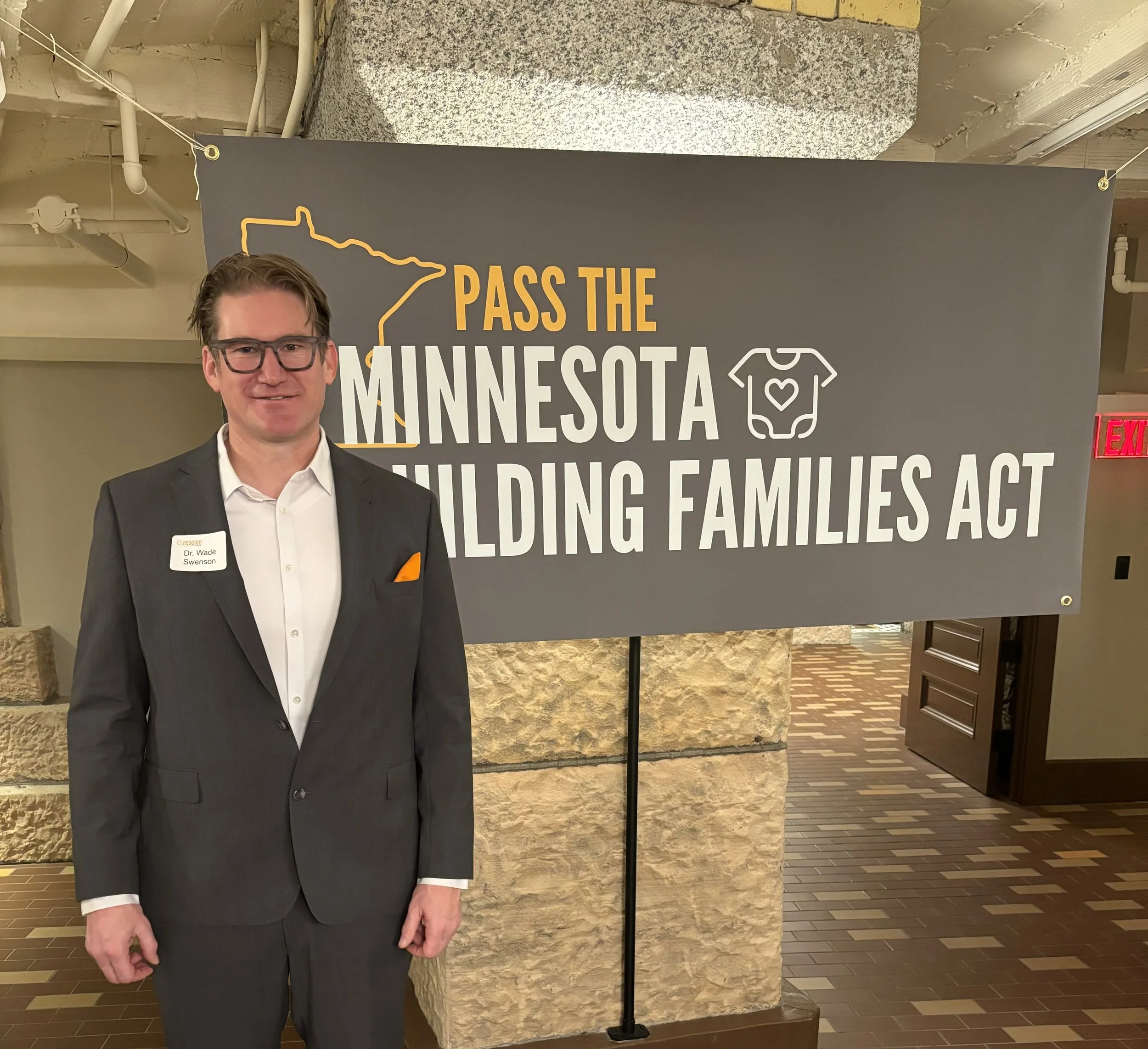
Above: RCI founder Dr. Wade Swenson advocating for fertility preservation for cancer patients at the Minnesota Capitol.
From OncoDaily TV: “Dr. Swenson discusses his work as founder of the Rural Cancer Institute, his national roles in policy and advocacy, and how he balances clinical practice with leadership, mentorship, and personal fulfillment. He also shares thoughtful reflections on the importance of boundaries, trust-building, and physician-led change.”
From The Oncology Insights Podcast: “In this episode of The Oncology Insights Podcast, I speak with Dr. Wade Swenson, medical oncologist at Lakewood Health System and founder of the Rural Cancer Institute, about the challenges of delivering cancer care in underserved rural communities. He explores the rural cancer gap, social determinants of health, screening barriers, and the role of policy and workforce development. Dr. Swenson also highlights innovative models for decentralizing care while maintaining quality standards. Listen now on all major platforms!”
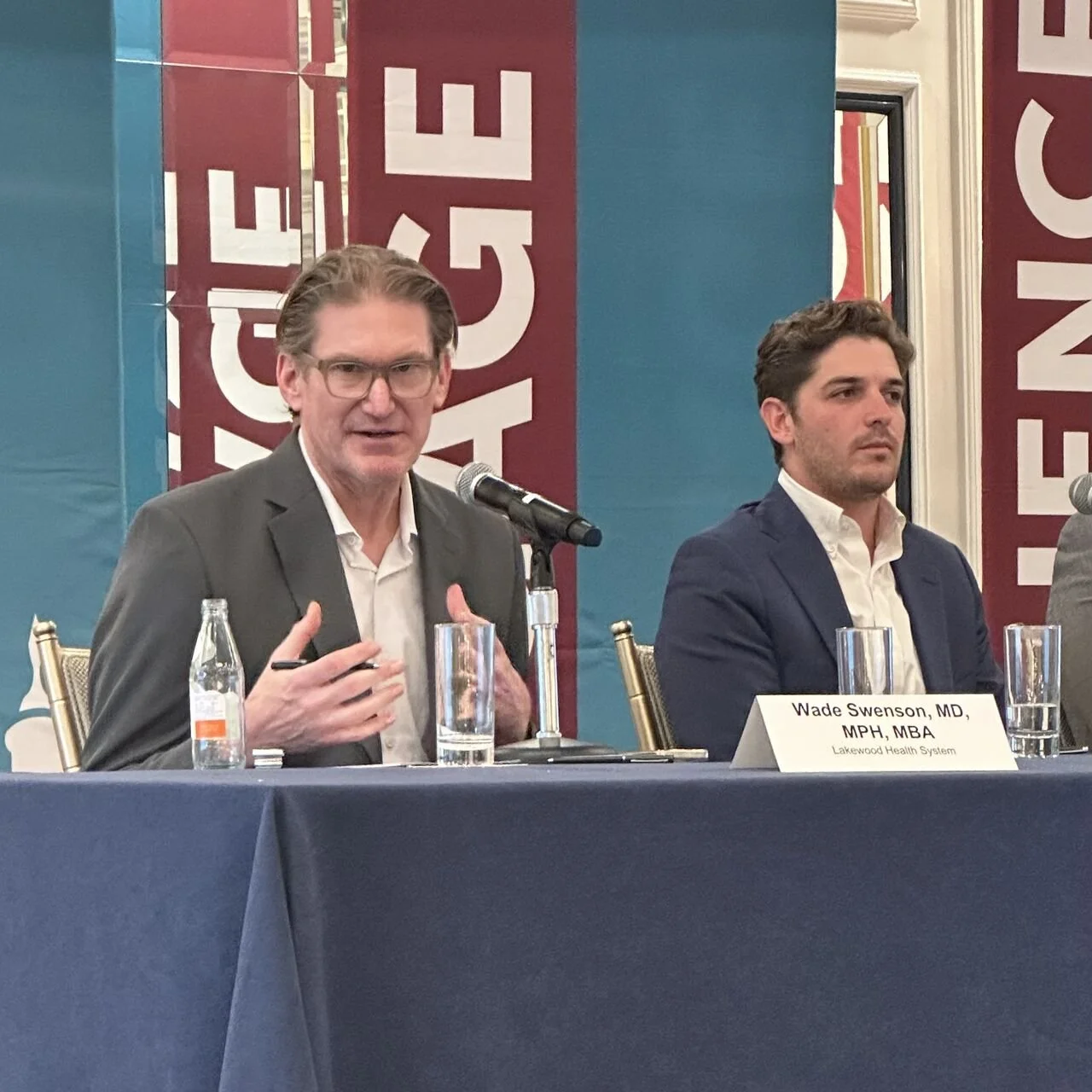
Above: RCI founder Dr. Wade Swenson at the 2026 ASCO Advocacy Summit in Washington, DC, speaking about telehealth protections on a moderated panel.
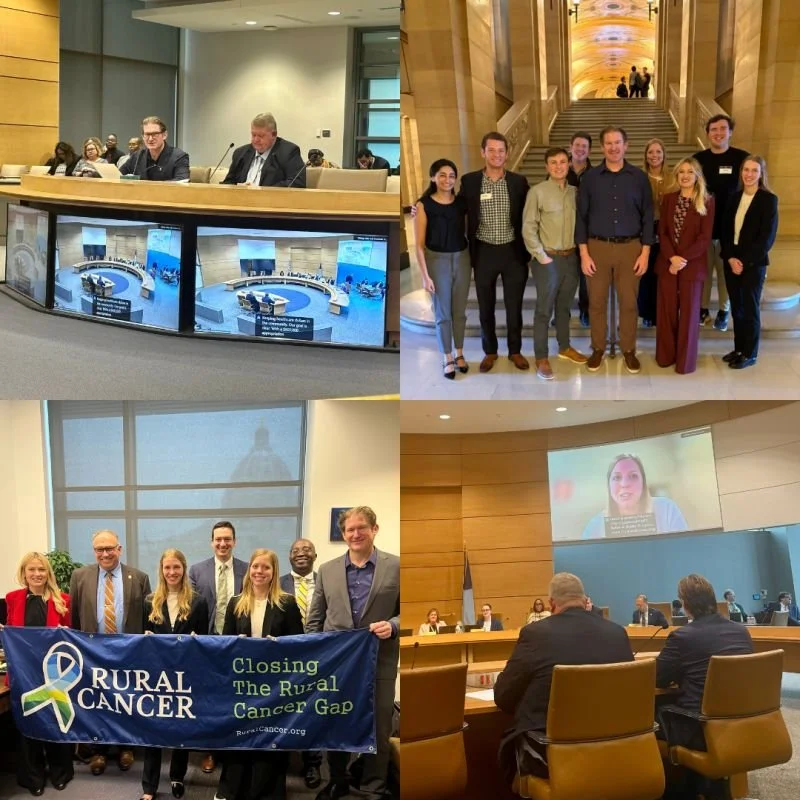
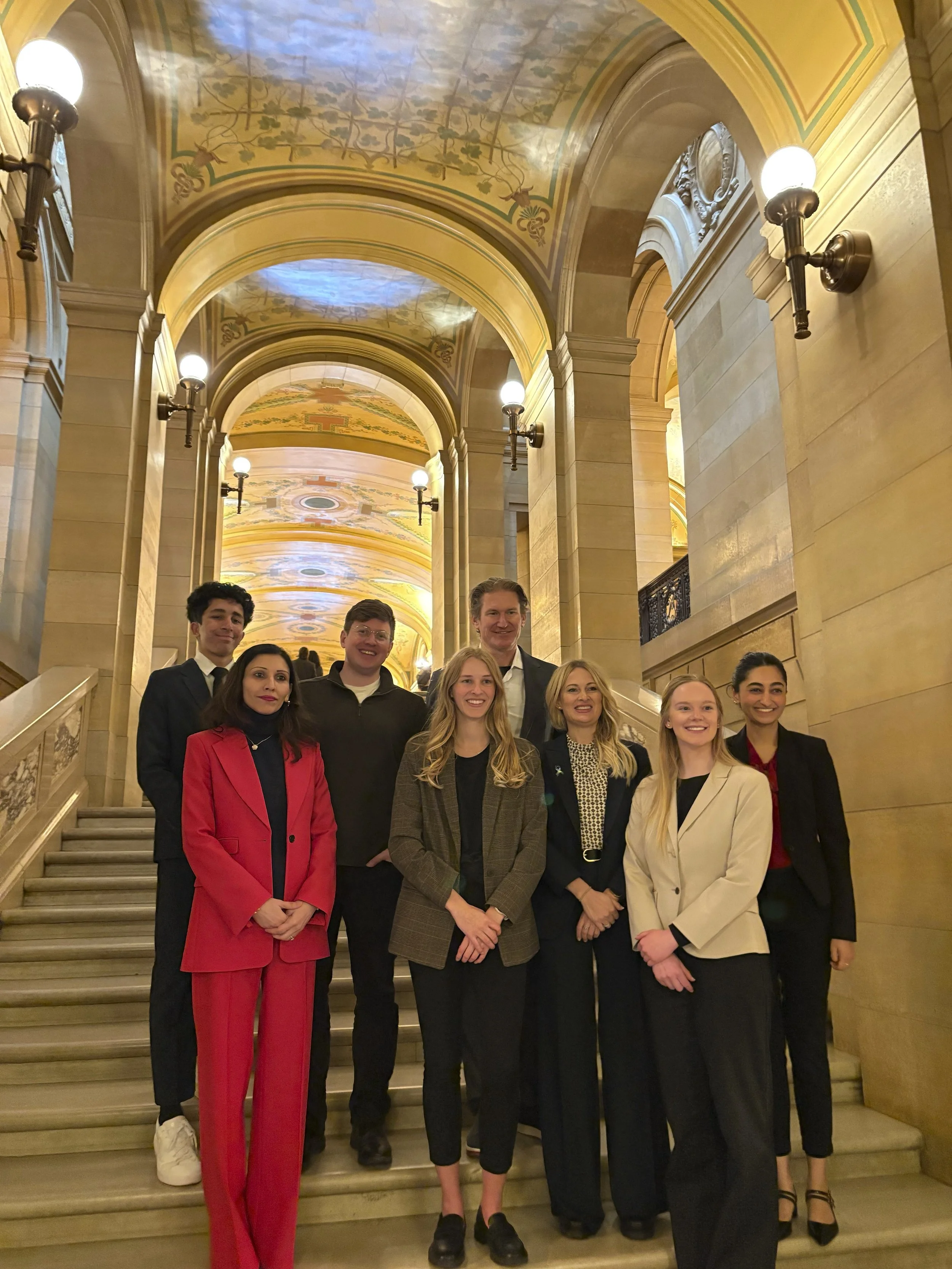
Above: Members of the RCI met with Minnesota state legislators at RCI Minnesota Day at the Capitol 2025. Clockwise from top right: the lobbying team inside the MN Rotunda; Dr. Emily McGovern (RCI co-founder) testifies in the Jobs and Economic Development Committee in support of rural oncology workforce funds; the lobbying team with an RCI banner in front of the MN Rotunda; Dr. Wade Swenson (RCI founder) alongside Representative Draheim (R-MN) testify in the Jobs and Economic Development Committee in support of rural oncology workforce funds.
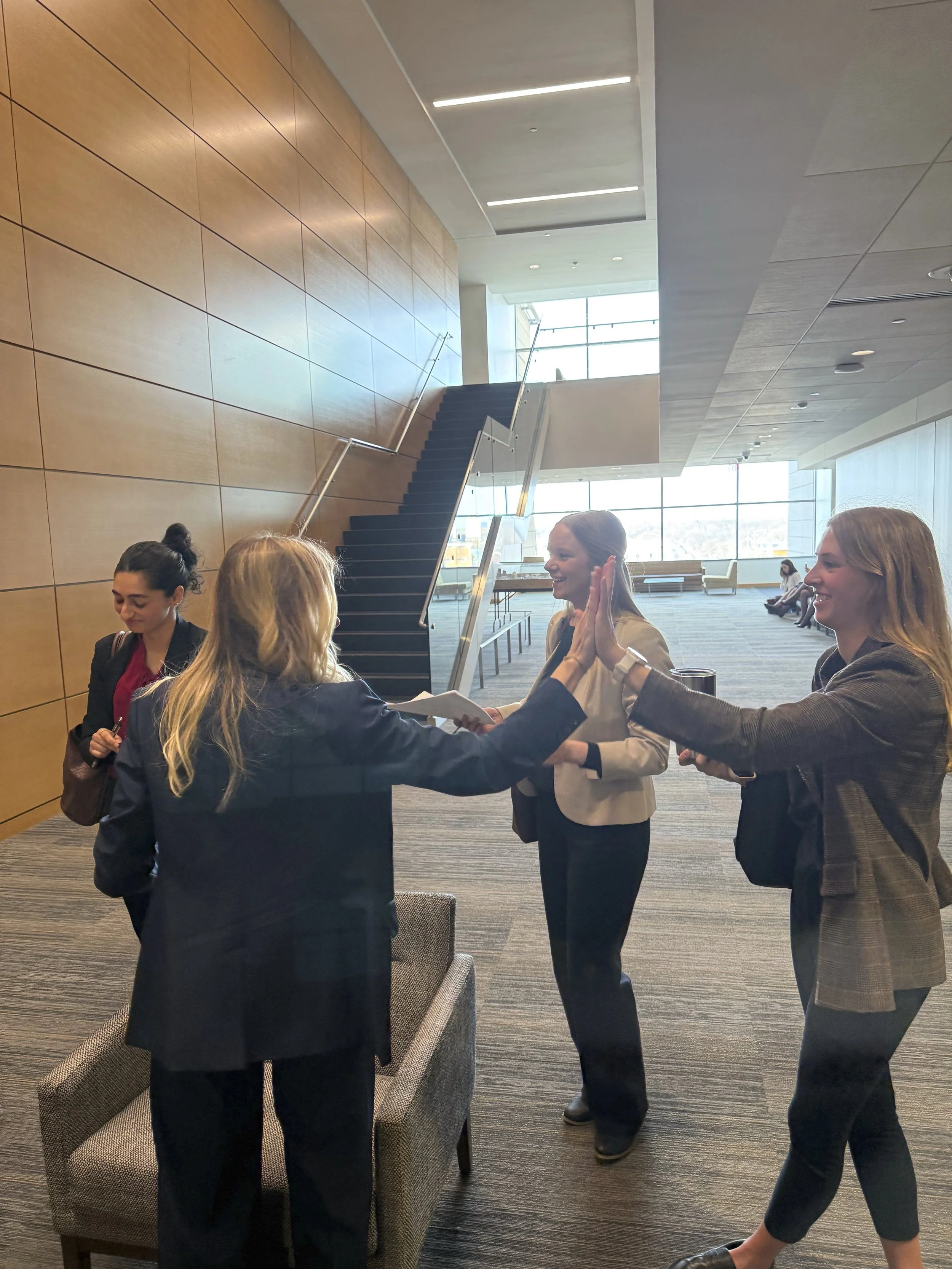
Above: RCI med students and volunteers high-five after a successful meeting with a state legislator, RCI MN Day at the Capitol 2026
Right: RCI lobbying team inside the MN Rotunda, RCI MN Day at the Capitol 2026
Secure Telehealth
For Rural Cancer Patients: A Lifeline at Risk
